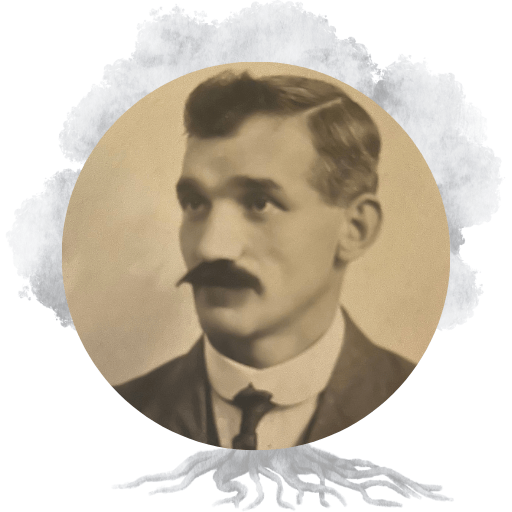
Edward Wyatt
1883 – 1916
Honiton, Devon
Edward was born in 1883 into a large and bustling family in Devon, England. One of nine children to John and Louisa, he grew up in a close-knit household shaped by the values of hard work, resilience, and community. Life in the late Victorian countryside was not easy, but it was rich with tradition and family bonds. Edward likely spent his early years helping with chores, attending the local school, and sharing stories around the hearth with his many siblings.
As he grew older, Edward remained with his family into adulthood, a common choice for young men in that era, especially in working-class households where every helping hand mattered. But the world was changing rapidly, and like many of his generation, Edward’s life would be irrevocably altered by the tides of war.
With the outbreak of the First World War in 1914, Edward answered the call to serve. He enlisted as a Private in the 1st/4th Battalion of the Devonshire Regiment, a unit of the Territorial Force, which was composed of volunteers prepared to defend their country in times of need. His service number was 2721.
Edward was soon deployed to one of the lesser-known but harshest fronts of the war: Mesopotamia, present-day Iraq. There, under the blistering heat and punishing conditions of the desert, British and Indian troops fought to secure the vital oil-rich region against the forces of the Ottoman Empire in what was called the Asiatic Theatres of war.
For soldiers like Edward, the Mesopotamian campaign was grueling. Many faced disease, extreme heat, and limited medical care. It was far from the better-remembered battlefields of France and Belgium, but no less deadly. Tragically, on the 17th of July 1916, Edward died while stationed in the region—most likely due to illness, which claimed the lives of many soldiers in Mesopotamia, often more than combat itself.
Edward was laid to rest in the British Army Cemetery in Basrah, Iraq, thousands of miles from the green hills of his Devon home. He was just 33 years old.
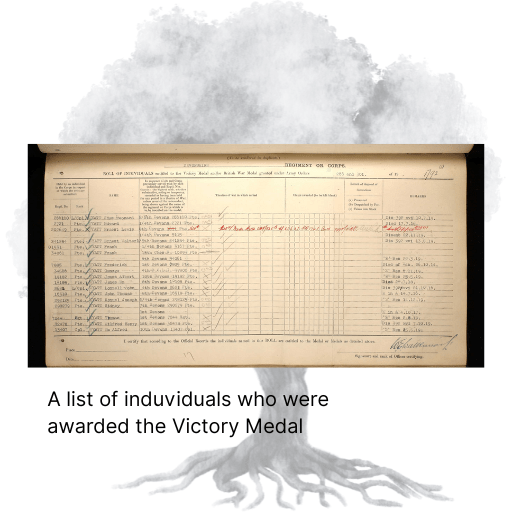
In recognition of his service and sacrifice, Edward was awarded the Victory Medal, also known as the Victory of Britain Medal, given to those who had served in the Great War. Though his life was cut short, Edward’s name lives on, honoured among the many who gave their lives far from home in a conflict that reshaped the world.
 Vogel Ancestry